


Picture this: you’re scrolling through Instagram, watching your favorite influencer showcase a gorgeous outfit, and with just a tap, you can buy that exact piece without ever leaving the app. That’s social retail in action and it’s completely transforming how we shop.
PEOPLE ALSO READ : Social Media Marketing for Real Estate
Here’s something that might surprise you: social commerce in the US is expected to hit nearly $80 billion in 2025. That’s not just a trend that’s a revolution happening right in front of us.
What Is Social Retail?
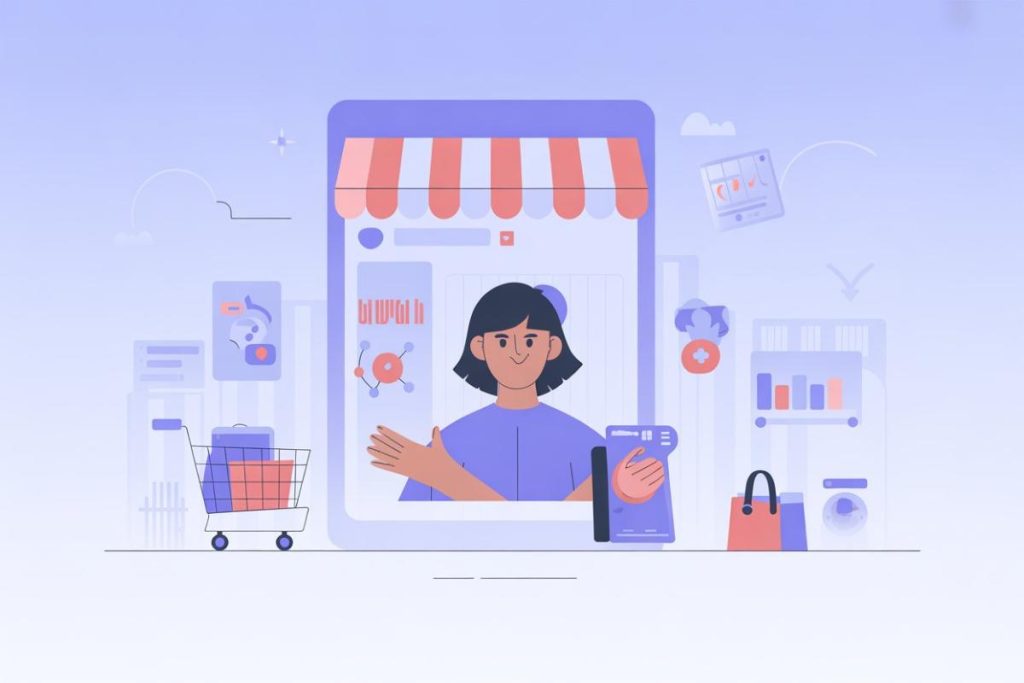
Social retail is essentially what happens when social media and online shopping have a baby. It lets you discover cool products, read reviews, and make purchases all within the same platform where you’re already hanging out with friends and following your favorite brands.
Think of it this way – instead of seeing a product on Instagram, then googling it, then going to another website to buy it, you can now complete that entire journey without ever leaving Instagram. Pretty convenient, right?
Why Is Social Retail So Important?
Let’s be honest we’re all a bit lazy when it comes to shopping online. Social retail works because it removes all the friction from our buying process:
Convenience is king – Nobody wants to jump between five different apps just to buy a pair of shoes. Social retail keeps everything in one place.
We trust our friends – When your bestie shares that amazing skincare routine or your favorite fitness influencer swears by a particular protein powder, you’re way more likely to try it.
Discovery feels natural – Instead of actively hunting for products, they just appear in your feed alongside content you already love.
Quick decisions – Those “add to cart” buttons right there in your feed make impulse buying dangerously easy (your wallet has been warned).
Why Social Retail Matters in 2025
Here’s where things get interesting. Different platforms are winning with different age groups:
- Facebook Shop leads the pack at 39% of social purchases
- TikTok Shop is close behind at 36% (and Gen Z absolutely loves it – 54% of them shop there regularly)
- Instagram Shop holds steady at 29%
What this means for businesses is simple: you need to be where your customers are already spending their time.
Key Elements of Social Retail
1. The Right Platforms
You’ve got options, and each one has its own personality:
- Instagram Shopping – Perfect for lifestyle and fashion brands
- Facebook Marketplace – Great for local businesses and unique finds
- TikTok Shop – Where trends are born and viral products explode
- Pinterest Product Pins – Ideal for home decor, recipes, and DIY inspiration
- YouTube Shopping – Perfect for detailed product demos
2. Real People, Real Content
Nothing beats authentic content from actual customers. When someone posts an unboxing video or shares a before and after photo using your product, that’s marketing gold. It’s genuine, relatable, and way more trustworthy than traditional ads.
3. Making Buying Ridiculously Easy
The best social retail experiences feel effortless. One-click purchasing, saved payment info, and checkout that happens right in the app – these aren’t nice-to-haves anymore, they’re must-haves.
4. Building Real Communities
The most successful brands don’t just sell products; they create communities. They respond to comments, host live Q&A sessions, and make customers feel like they’re part of something bigger.
5. Using Data Wisely
Smart brands track everything – what posts get the most engagement, which products convert best, and how customers move through their buying journey. This data helps them get better over time.
6 Ways Social Media Can Be Integrated Into Retail
Instagram: Keep It Simple
Instagram has made shopping incredibly straightforward. You can tag products directly in posts and stories, create a dedicated shop tab on your profile, and even handle customer service through direct messages. The key is making everything feel seamless and natural.
Live Shopping: The New Shopping Channel
Think of live shopping as QVC for the social media age. Brands host live events where they demonstrate products, answer questions in real-time, and offer exclusive deals. It creates urgency and excitement that regular posts just can’t match.
Blending Physical and Digital
Smart retailers are connecting their physical stores to their social presence. QR codes that link to Instagram pages, in-store displays featuring customer posts, and pop-up shops promoted through social media all help bridge the gap between online and offline.
User-Generated Content: Let Your Customers Do the Talking
Here’s a secret: content created by your customers performs better than anything your marketing team can produce. Customer photos, honest reviews, and creative uses of your products build trust in ways traditional advertising never could.
Augmented Reality: Try Before You Buy
AR is making online shopping more like in-person shopping. Virtual try on filters, the ability to see how furniture looks in your actual room, and interactive product demos are changing the game completely.
TikTok: The Complete Package
TikTok Shop isn’t just about viral dances anymore. It offers in-feed shopping ads, live shopping features, partnerships with creators, and the ability to discover trending products organically. If your audience is young, you need to be here.
7 Social Retail Tips to Increase Sales
1. Make Reviews Your Best Friend
Don’t hide customer reviews showcase them everywhere. Display them prominently on product pages, share success stories, and always respond professionally to feedback, both positive and negative.
2. Create Hashtags That Stick
Develop unique brand hashtags and actually use them consistently. Track how they perform, encourage customers to use them, and don’t be afraid to jump on trending conversations when it makes sense.
3. Turn Customers Into Champions
Your best customers can become your best marketers. Identify loyal fans, give them exclusive perks, create formal ambassador programs, and always recognize people who advocate for your brand.
4. Partner Smart with Influencers
Don’t just throw money at anyone with a lot of followers. Research influencers who actually align with your brand, focus on building authentic partnerships, track results carefully, and think long term rather than one off campaigns.
5. Tag Everything
If you post a photo with your products in it, tag them. Use high quality images, write compelling product descriptions, and keep your inventory information up to date. Missed opportunities here are just lost sales.
6. Use Carousel Ads Effectively
Carousel ads let you show multiple products or tell a story across several images. Use them to showcase product variety, walk people through your brand story, and always include clear calls to action.
7. Measure What Matters
Use social media management tools to track conversion rates, monitor engagement, analyze customer behavior, and optimize based on actual data rather than guesswork.
PEOPLE ALSO READ : Ultimate Amazon Product Research by Hyperzon
Building a Social Retail Strategy That Works
Start with Clear Goals
Before you do anything else, define what success looks like for you. Research your target audience thoroughly, understand their preferences, and set KPIs that you can actually measure.
Audit Your Current Situation
Take an honest look at your current social media presence. Where are the gaps in your customer journey? What are your competitors doing well? Document everything so you know where you’re starting from.
Plan Your Content
Create content calendars, develop clear brand voice guidelines, plan seasonal campaigns, and schedule regular posting. Consistency is key in social retail.
Launch Shopping Features
Enable shopping on all relevant platforms, optimize your product catalogs, test your checkout processes, and make sure your customer service team knows how to handle social inquiries.
Encourage Customer Content
Create hashtag campaigns, run contests and giveaways, feature customer content regularly, and offer incentives for people to share their experiences with your brand.
Build Influencer Relationships
Identify creators who align with your brand values, develop clear partnership guidelines, track results from collaborations, and focus on building ongoing relationships rather than one-time deals.
Monitor and Adapt
Review your performance regularly, A/B test different approaches, gather customer feedback actively, and stay flexible as platforms change and evolve.
Case Studies: Successful Social Retail Examples
Kylie Cosmetics shows how multi-platform integration works in practice. They maintain consistent branding across all social platforms and their Shopify store, while using streamlined checkout processes that keep everything simple. The results speak for themselves: 300% increase in social media conversions, with 65% of their sales now coming from social platforms.
Sweet Nothings pivoted from foodservice to retail during COVID-19, eventually expanding with Kroger. Alpha Foods used Social Nature to increase unit velocity by 20% at key retailers nationwide. Both companies leveraged customer data for personalization and created interactive shopping experiences.

Best Practices for Social Retail
Do This:
- Keep product information accurate and updated
- Respond quickly to customer inquiries
- Use high-quality visuals consistently
- Maintain your brand voice across all platforms
- Test and optimize continuously
Avoid This:
- Ignoring negative feedback
- Overwhelming followers with sales posts
- Neglecting customer service
- Using low-quality images
- Forgetting to track performance
Retail Industries That Benefit from Social Media
- Fashion & Beauty: Visual storytelling works perfectly on Instagram, TikTok, and Pinterest
- Electronics: Product demos and reviews shine on YouTube and Facebook
- Home & Garden: Inspiration content and tutorials perform well on Pinterest and Instagram
- Food & Beverage: Recipe sharing and lifestyle content thrive on TikTok and Instagram
- Sports & Fitness: Workout content and motivation connect on Instagram and YouTube
Getting Started with Social Retail
- Choose Your Platforms: Start with 1-2 platforms where your audience is most active
- Set Up Shopping Features: Enable native shopping tools on each platform
- Create Quality Content: Develop engaging, shoppable content
- Engage Your Community: Respond to comments and messages promptly
- Track Performance: Monitor metrics and adjust strategies accordingly
Essential Tools You’ll Need
- Social media management platforms
- Analytics tools
- Content creation software
- Customer service systems
- Inventory management solutions
Final Takeaways
Social retail isn’t going anywhere it’s the future of how people discover and buy products. Success comes down to understanding your audience, creating content that genuinely engages them, and providing shopping experiences that feel effortless.
Remember these key points:
- Start small with one or two platforms
- Focus on building real relationships with customers
- Let data guide your decisions
- Stay consistent with your brand message
- Always put customer experience first
PEOPLE ALSO READ : The Ultimate Guide to Social Media Forums in 2025: Best Platforms for Community Building and Marketing Success
FAQs: Quick Answers on Social Retail
Q: Which platforms work best for social retail?
A: Instagram, Facebook, and TikTok are currently the most effective, but each serves different demographics and shopping behaviors.
Q: How much should I invest in social retail?
A: Start with 10-15% of your marketing budget and adjust based on performance and ROI.
Q: How do I measure social retail success?
A: Track conversion rates, engagement metrics, customer acquisition costs, and overall revenue from social channels.
Q: Can small businesses benefit from social retail?
A: Absolutely! Social retail levels the playing field, allowing small businesses to compete with larger brands through authentic engagement and community building.
Social retail represents a fundamental shift in how commerce works. It’s not just about selling products anymore it’s about building communities, creating experiences, and meeting customers where they already are. The businesses that embrace this shift and do it well will be the ones that thrive in 2025 and beyond.
READ MORE : Super Converters