

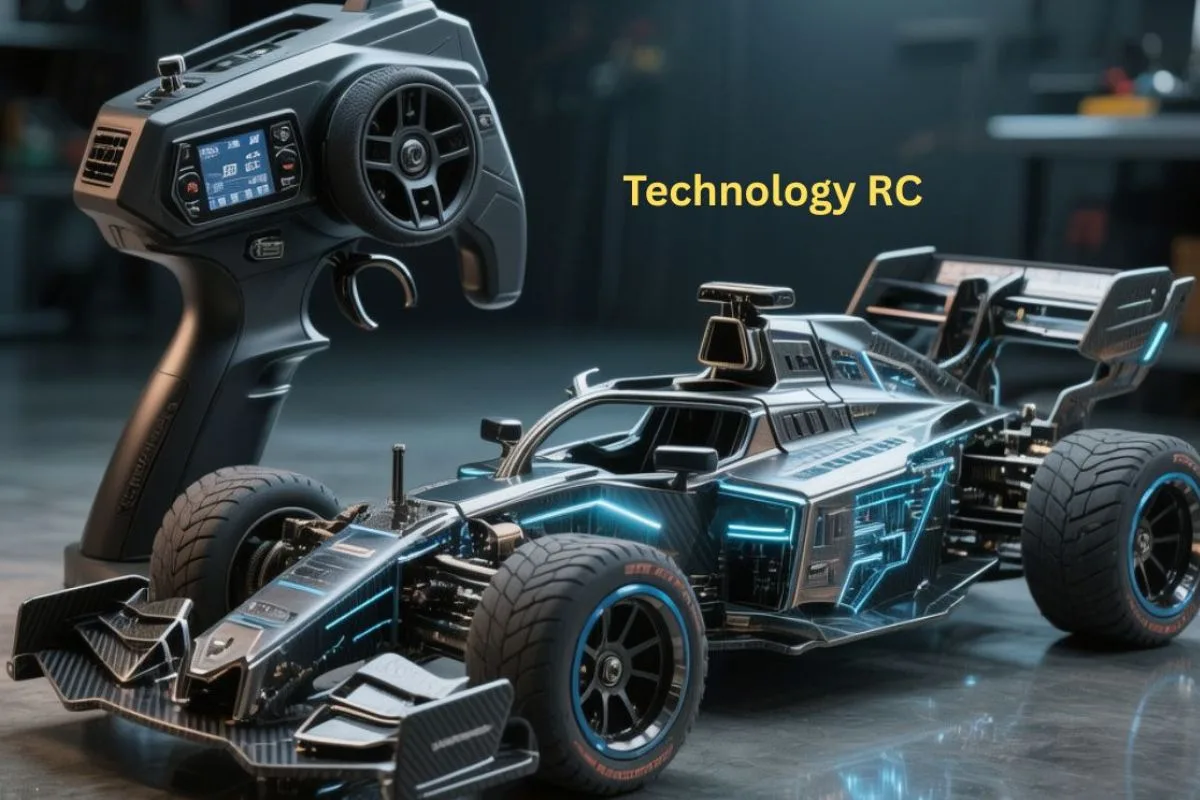
Technology RC opens up a world of fun where you control cars, drones, planes, and boats from a distance. This exciting hobby combines electronics, engineering, and pure enjoyment as you watch your model respond to every command from your transmitter.
Who This Technology RC Guide Is For
This guide helps anyone new to Technology RC understand the basics. Whether you want to buy your first Technology RC car for weekend fun or explore Technology RC drones for aerial photography, we’ll explain everything in simple terms. Parents looking for safe Technology RC options for kids will also find helpful advice here.
What You Will Learn About Technology RC
You’ll discover how Technology RC systems work, what parts you need, and how to choose the right model for your space and budget. We’ll cover Technology RC cars, drones, planes, and boats, plus important safety rules and legal requirements. By the end, you’ll feel confident starting your Technology RC journey.
PEOPLE ALSO READ : chuck kim vesta technology: Role, Background, and News
What Is Technology In Simple Words
Technology is the set of electronic parts that let you control a car, drone, plane, boat, or robot from a distance with a handheld radio transmitter. A Technology RC system sends your stick moves as signals so motors and servos in the model can move exactly as you want.
Clear Definition Of Technology Radio Control
Technology RC stands for “Technology Radio Control.” It uses radio waves to send commands from a controller in your hands to a receiver inside your model. When you push a stick forward on your Technology RC transmitter, the model moves forward. Turn the stick left, and the model turns left. The whole system works wirelessly, giving you full control from dozens or even hundreds of feet away.
Short History Of Radio Control And Technology Radio Control
Radio control started in the 1960s with simple on-off commands. Early Technology RC systems used basic AM radio frequencies and could only control one or two functions. Modern Technology RC has evolved dramatically. Today’s 2.4 GHz Technology RC systems can handle many channels at once, resist interference, and include smart features like automatic return-to-home and crash protection.
How A Basic Technology Radio Control System Works Step By Step
Here’s how Technology Radio Control works in five simple steps:
- You move a stick or trigger on the Technology Radio Control transmitter
- The transmitter turns that move into a radio signal
- The Technology Radio Control receiver inside the model reads the signal
- The receiver tells motors and servos what to do
- The wheels, propeller, or rudder moves and the Technology Radio Controlmodel responds
This process happens dozens of times per second, making Technology Radio Control control feel instant and natural.
Main Parts Inside A Technology RC System
Every Technology Radio Control system needs the same basic parts to work properly. Understanding these components helps you choose better equipment and fix simple problems when they happen.
The Technology Radio Control Transmitter In Your Hands
The Technology Radio Control transmitter is your main control tool. Most transmitters have two main sticks that move up, down, left, and right. Each stick controls different functions depending on your Technology Radio Control model type. Cars usually use one stick for steering and throttle. Planes and drones need both sticks for full flight control.
Good Technology Radio Control transmitters also include trim buttons to fine-tune neutral positions, switches for special functions, and a clear display showing battery levels and signal strength. More expensive transmitters offer programmable mixing, multiple model memory, and voice alerts.
The Technology RC Receiver Inside The Model
The Technology Radio Control receiver is the brain inside your model. This small electronic box catches radio signals from your transmitter and converts them into commands for motors and servos. Most modern Technology RC receivers are smaller than a matchbox but can handle six to eight different control channels.
The receiver connects to your model’s battery for power and uses thin servo wires to send commands to each moving part. Quality Technology Radio Control receivers include failsafe programming that automatically stops or returns your model if the radio signal is lost.
Motors Servos And Speed Controllers In Technology Radio Control
Technology Radio Control models use two main types of moving parts. Servos create precise rotary motion for steering, rudders, and control surfaces. They’re perfect for tasks that need exact positioning. Electric motors spin continuously to turn wheels, propellers, or rotor blades for propulsion.
Speed controllers, also called ESCs, manage how fast electric motors spin. The Technology RC receiver tells the speed controller what speed you want, and the ESC delivers the right amount of power. Brushless speed controllers can also reverse motor direction for backing up or aerobatic maneuvers.
Batteries Chargers And Power Flow In Technology RC
Technology Radio Control models need two separate power systems. A small receiver battery powers the radio electronics and servos. A larger drive battery powers the main motor for movement. Most Technology Radio Control cars use the same battery pack for both systems, while planes and drones often separate them for better weight distribution.
Proper charging is crucial for Technology Radio Control battery life and safety. Always use the correct charger for your battery type, and never leave charging batteries unattended. LiPo batteries used in high-performance Technology Radio Control models need special care to prevent fires.
Types Of Technology RC Models You Can Use
Technology RC comes in many exciting forms, each offering different experiences and challenges. Your choice depends on available space, skill level, and what kind of fun appeals to you most.
Why Many People Start With A Technology Radio Control Car
Technology Radio Control cars are often the best choice for beginners. They’re easier to control than flying models because you only worry about forward, backward, left, and right movements. If your Technology RC car crashes, it usually just needs dusting off rather than major repairs.
Technology RC cars work well in small spaces like driveways, parking lots, and local parks. You can drive them year-round in most climates, and they’re less affected by wind than flying Technology RC models. Many Technology Radio Control cars are also waterproof, so you can drive through puddles and wet grass without worry.
Flying A Technology RC Drone Or Quadcopter
Technology Radio Control drones have become incredibly popular because modern flight controllers make them surprisingly easy to fly. Most Technology RC drones include automatic stabilization that keeps them level and hovering in place when you release the controls. This makes them much more beginner-friendly than traditional Technology RC planes.
Technology Radio Control drones excel at aerial photography and exploring your area from above. Many include built-in cameras that record smooth video as you fly. However, Technology Radio Control drones need more open space than cars and face legal restrictions in many areas.
Technology RC Planes And Helicopters For Open Spaces
Traditional Technology Radio Control planes and helicopters offer the most realistic flying experience but require more skill to master. Technology Radio Control planes need proper runways for takeoff and landing, while helicopters can hover and land almost anywhere. Both need significant practice to fly safely.
These Technology Radio Control models work best in large open fields away from trees, buildings, and power lines. Many flying clubs provide safe spaces and experienced instructors to help new Technology Radio Control pilots learn proper techniques.
Technology Radio Control Boats For Water Fun
Technology Radio Control boats bring the excitement of racing and cruising to lakes, ponds, and even large swimming pools. Most Technology RC boats are easier to control than flying models but offer unique challenges like dealing with wind, waves, and water retrieval.
Scale Technology RC boats let you enjoy detailed replicas of real ships, while racing boats focus on pure speed and agility. Many Technology Radio Control boats include self-righting features that automatically flip them upright if they capsize.
Comparison Of Technology Radio Control Cars Drones Planes And Boats
| Technology RC Type | Skill Level | Space Needed | Best Features | Main Challenges |
| Cars & Trucks | Beginner | Small to medium | All-weather use, durable | Limited to ground level |
| Drones | Beginner to intermediate | Medium to large | Aerial views, stable flight | Legal restrictions, weather sensitive |
| Planes | Intermediate to advanced | Large | Realistic flight, aerobatics | Need runway, crash risk |
| Boats | Beginner to intermediate | Water access required | Unique experience, self-righting | Weather dependent, retrieval challenges |
How Technology RC Signals And Power Work
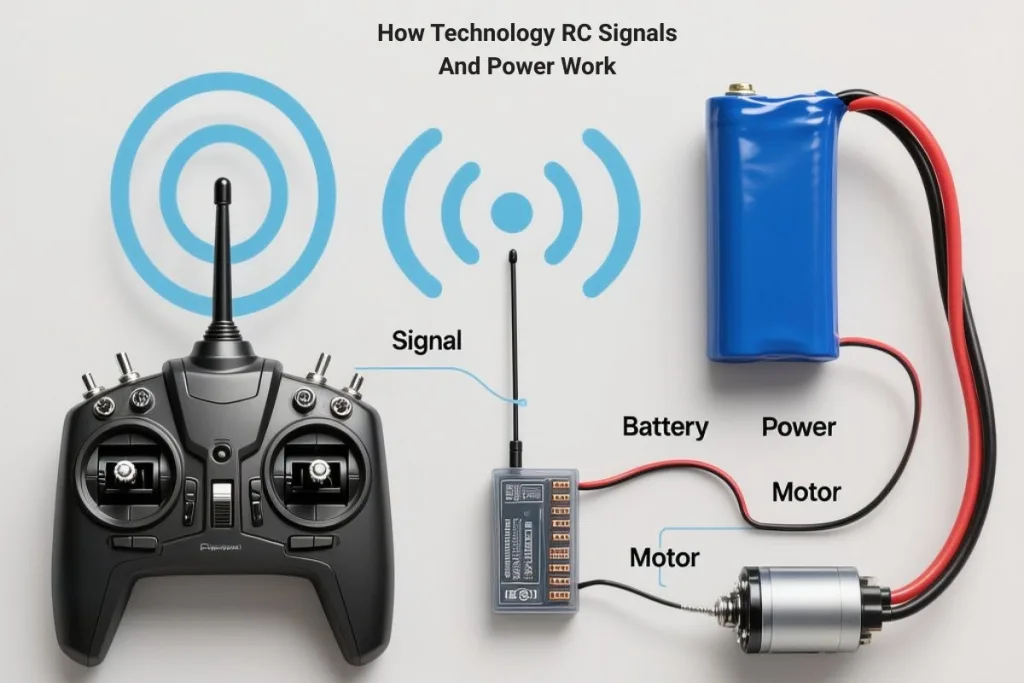
Understanding the technology behind Technology Radio Control helps you make better equipment choices and solve problems when they occur. Modern Technology Radio Control systems are remarkably sophisticated yet reliable when properly maintained.
Why Modern Technology RC Uses 2.4 GHz Radios
Most current Technology Radio Control systems operate on 2.4 GHz radio frequencies because this band offers several important advantages. Unlike older 27 MHz and 72 MHz Technology RC radios, 2.4 GHz systems automatically avoid interference from other radios. This means dozens of Technology RC users can operate in the same area without conflicts.
2.4 GHz Technology Radio Control radios also provide better range and clearer signal quality. The digital encoding resists static and interference from cell phones, WiFi networks, and other electronic devices. Many 2.4 GHz Technology RC systems can maintain solid control at distances over half a mile in open areas.
Binding Your Technology Radio Control Transmitter And Receiver
Modern Technology Radio Control equipment uses a security process called binding to ensure your transmitter only controls your model. During binding, the Technology Radio Control transmitter and receiver exchange special identification codes that prevent other radios from accidentally controlling your model.
Most Technology RC systems make binding simple with clear button sequences and LED indicators. You typically hold a bind button on the receiver while powering it on, then press a bind button on your transmitter. Once bound, your Technology Radio Control radio remembers the connection until you deliberately change it.
Range Interference And Failsafe In Technology RC Systems
Quality Technology RC systems include failsafe programming that automatically takes action if radio contact is lost. You can program your Technology Radio Control receiver to stop the motor, return to a preset position, or activate a parachute depending on your model type. This critical safety feature prevents runaway models that could cause injury or property damage.
Technology RC range depends on transmitter power, antenna placement, and environmental conditions. Most 2.4 GHz Technology Radio Control systems provide reliable control for several hundred yards in open areas. Buildings, trees, and metal objects can reduce range, so always test your Technology Radio Control system’s limits in a safe area.
Brushed And Brushless Motors In Technology RC Models
Technology Radio Control models use two main types of electric motors with important differences in performance and maintenance. Brushed motors are simpler and less expensive but require regular maintenance as carbon brushes wear down from friction. They’re perfect for beginning Technology RC users who want reliable, affordable performance.
Brushless motors offer higher efficiency, more power, and longer life but cost significantly more. They’re ideal for advanced Technology RC users who want maximum speed and performance. Brushless motors also run cooler and quieter than brushed motors, making them popular in Technology RC planes and drones.
NiMH And LiPo Batteries For Technology Radio Control
Technology Radio Control models typically use either Nickel Metal Hydride (NiMH) or Lithium Polymer (LiPo) battery packs. NiMH batteries are safer and more forgiving for beginners but offer lower power density and longer charging times. They’re excellent for basic Technology Radio Control cars and boats where weight isn’t critical.
LiPo batteries provide much higher power output and lighter weight, making them essential for high-performance Technology Radio Control planes and racing models. However, LiPo packs require careful charging, storage, and handling to prevent dangerous fires. New Technology RC users should master basic techniques before upgrading to LiPo power systems.
Smart Features Like Gyro And Return To Home In Technology RC
Advanced Technology RC systems include electronic helpers that make control easier and safer. Gyroscopic stabilization automatically counters wind gusts and control inputs to keep Technology RC planes and helicopters flying smoothly. Many Technology Radio Control drones include GPS systems that remember takeoff locations and can automatically return home on command.
Some Technology RC cars feature electronic stability control that prevents spinning and loss of control during high-speed cornering. These smart systems let beginners enjoy higher performance while learning proper control techniques.
Buying Your First Technology RC Setup
Choosing your first Technology RC equipment can seem overwhelming with so many options available. Focus on reliability, ease of use, and good support rather than maximum performance for your initial purchase.
Ready To Run Vs Kit Technology RC Models Pros And Cons
Ready-to-Run (RTR) Technology Radio Control models come completely assembled and include everything needed to start driving or flying immediately. RTR Technology RC packages typically include the model, transmitter, receiver, battery, and charger in one box. This convenience costs more but eliminates guesswork for new users.
PEOPLE ALSO READ : VisionSpeed Technology: The Complete Guide to High-Speed Machine Vision Systems in 2025
Technology Radio Control kits require assembly and separate purchase of radio equipment and batteries. Kits cost less and let you choose exactly the radio system you want, but assembly takes time and skill. Most beginners prefer RTR Technology Radio Control models for their first purchase, then consider kits for later projects.
How To Pick A Technology RC Transmitter You Will Not Outgrow
Your Technology Radio Control transmitter is the most important long-term investment because you’ll likely use it with multiple models over time. Choose a programmable transmitter with at least six channels and memory for multiple models. This lets you expand your Technology Radio Control collection without buying new radios.
Look for Technology Radio Control transmitters with clear displays, intuitive menus, and comfortable grip ergonomics. Computer radios that connect to PC software for advanced programming offer the most flexibility as your Technology RC skills develop. Stick with major brands that offer good warranty support and readily available replacement parts.
Choosing Your First Technology Radio Control Car Drone Plane Or Boat
Your first Technology Radio Control model should match your available space, skill level, and interests. Technology RC cars work well in limited space and offer excellent learning opportunities. Electric Technology RC cars are quieter and cleaner than nitro-powered models, making them better neighbors in suburban areas.
Technology RC drones provide unique aerial perspectives but require larger flying areas and attention to legal restrictions. Start with a small, lightweight Technology Radio Control drone that includes GPS stabilization and automatic return-to-home features. Avoid large or expensive Technology Radio Control drones until you master basic flight skills.
Basic Tools And Safety Gear For New Technology Radio Control Users
Every Technology Radio Control owner needs a basic toolkit for maintenance and minor repairs. Include hex wrenches (Allen keys) in common sizes, small screwdrivers, needle-nose pliers, and electrical tape. A small socket wrench set helps with wheel nuts and motor mounts on Technology Radio Control cars.
Safety equipment is equally important for Technology Radio Control use. Safety glasses protect your eyes from flying debris during crashes or maintenance. A good fire extinguisher rated for electrical fires is essential when using LiPo batteries in Technology Radio Control models. Keep a first aid kit handy for minor cuts and scrapes.
Upgrading And Caring For Technology RC Models
Proper maintenance keeps your Technology Radio Control models running smoothly and extends their useful life significantly. Regular care prevents major problems and reduces long-term costs.
Simple Upgrades That Make Technology Radio Control More Fun
Popular Technology RC upgrades focus on performance, durability, and convenience rather than complex modifications. Better tires improve traction for Technology Radio Control cars on different surfaces. Upgraded shocks and springs help Technology Radio Control models handle rough terrain and jump landings.
Electronic upgrades like programmable speed controllers and higher-capacity batteries extend run times and improve throttle response in Technology Radio Control cars and boats. LED light kits add realism and visibility for Technology Radio Control models used in low-light conditions. Always upgrade one component at a time to understand each improvement’s effects.
How To Clean And Store Your Technology Radio Control Model
Clean your Technology Radio Control model after each use session, especially if used in dusty or wet conditions. Remove the battery pack and use compressed air to blow debris from motor vents, gear meshes, and electronic components. Wipe down plastic and metal parts with slightly damp cloths, avoiding electronic components.
Store Technology Radio Control models in clean, dry locations away from temperature extremes. Remove batteries for long-term storage and charge them periodically to maintain capacity. Check for loose screws, worn parts, and damage before each use session to prevent failures during operation.
Common Technology Radio Control Problems And Quick Fixes
Most Technology Radio Control problems have simple solutions that don’t require expert repair skills. Weak or erratic control often indicates low transmitter or receiver battery levels. Replace or recharge batteries and test range in an open area before assuming equipment failure.
Sluggish motor performance usually results from dirty commutators in brushed motors or debris in gear trains. Clean motor brushes with alcohol and small brushes, and flush gear boxes with light oil to restore smooth operation. Binding servos often just need cleaning and fresh lubrication on their gear trains.
Safety And Laws For Technology Radio Control Users
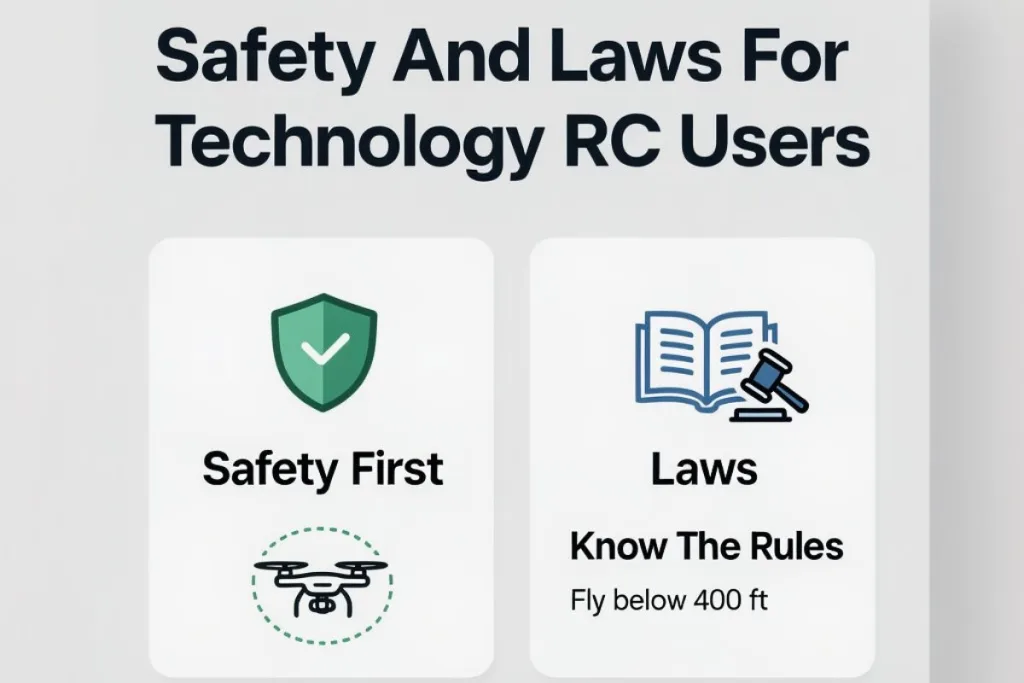
Technology RC safety protects you, other people, and property while ensuring continued access to flying and driving areas. Following basic safety rules and legal requirements keeps the hobby enjoyable for everyone.
Safe Use Of Technology Radio Control Around People Pets And Property
Always maintain safe distances between your Technology Radio Control model and people, animals, or valuable property. Technology Radio Control cars can cause injuries if they strike people at high speeds, while spinning propellers on Technology Radio Control drones and planes are especially dangerous. Never fly Technology Radio Control aircraft directly over people or moving vehicles.
Establish clear boundaries for Technology Radio Control use in public areas and respect other park users. Keep Technology Radio Control models away from playgrounds, picnic areas, and sporting events where people might not notice approaching models. Use spotters when operating high-speed or long-range Technology RC equipment to watch for potential hazards.
Drone Rules For Technology Radio Control In The USA
The Federal Aviation Administration (FAA) regulates Technology Radio Control drones over 0.55 pounds through the Part 107 rules for commercial use or recreational guidelines for hobby use. Most Technology RC drone users must register their aircraft with the FAA and display registration numbers on their models.
Technology RC drone pilots must maintain visual line-of-sight with their aircraft, avoid flying over people or moving vehicles, and stay below 400 feet altitude in most areas. Many locations including airports, national parks, and military bases prohibit Technology Radio Control drone operations entirely. Check current FAA rules and local restrictions before flying any Technology Radio Control drone.
Key Notes For UK Australia Canada And Germany
The United Kingdom requires registration for Technology Radio Control drones over 250 grams and pilot certification for larger models. Australia’s Civil Aviation Safety Authority (CASA) has similar weight-based requirements with additional restrictions near airports and populated areas. Canada requires basic pilot certification for most Technology Radio Control drone operations.
Germany’s aviation authority regulates Technology Radio Control aircraft through weight categories with insurance requirements for larger models. Each country frequently updates their Technology Radio Control regulations, so check current rules with local aviation authorities before operating Technology Radio Control aircraft in international locations.
How To Check Local Laws Before You Use Technology RC
Local governments often add restrictions beyond national Technology RC regulations, especially in urban areas and near airports. Contact local parks departments about Technology RC use policies in public spaces. Some areas designate specific Technology Radio Control flying fields while prohibiting use elsewhere.
Many smartphone apps show current airspace restrictions and no-fly zones for Technology RC drones. These tools update automatically as temporary restrictions change for special events or emergency operations. Always verify local Technology Radio Control rules before traveling with equipment to new areas.
Future Trends In Technology Radio Control
Technology Radio Control continues evolving rapidly with improvements in electronics, batteries, and smart systems. These advances make Technology Radio Control more accessible while adding new capabilities.
Smarter Sensors And Control In Technology Radio Control
Artificial intelligence and advanced sensors are making Technology Radio Control models more autonomous and user-friendly. Modern Technology RC drones include optical flow sensors, ultrasonic altitude control, and computer vision for obstacle avoidance. These systems help prevent crashes while allowing beginners to focus on enjoying flight rather than fighting for control.
Future Technology RC models will likely include even more sophisticated automation, perhaps with voice control and gesture recognition. Machine learning algorithms could adapt Technology RC behavior to individual pilot preferences and automatically optimize performance for different conditions.
Better Batteries And Cleaner Power For Technology Radio Control
Battery technology improvements continue extending Technology Radio Control runtime while reducing weight and charging times. New lithium chemistry developments promise safer alternatives to current LiPo technology with similar performance characteristics. Wireless charging systems may eventually eliminate charging port maintenance and waterproofing concerns.
Solar charging integration could extend Technology RC flight times indefinitely in good weather conditions. Fuel cell technology might provide clean, long-duration power for larger Technology RC models without the safety concerns associated with current high-capacity battery systems.
How Phones VR And AR May Link With Technology Radio Control
Smartphone integration with Technology Radio Control systems continues expanding beyond simple camera control. Apps now provide telemetry displays, flight planning tools, and social sharing features that enhance the Technology Radio Control experience. Virtual reality headsets offer immersive first-person flying experiences that make Technology Radio Control more engaging.
Augmented reality could overlay digital information on real Technology Radio Control views, showing battery status, GPS coordinates, and performance data in real-time. Mixed reality systems might eventually blend real Technology Radio Control control with virtual environments for training and entertainment applications.
Frequently Asked Questions About Technology RC
What Does Technology RC Mean In Simple Words
Technology Radio Control means using radio signals to control model cars, planes, drones, and boats from a distance. The “Radio Control” stands for Radio Control, and modern Technology Radio Control systems use advanced electronics to make control precise and reliable.
How Does Technology RC Work In Cars And Drones
Technology Radio Control works by sending radio commands from a handheld transmitter to a receiver inside your model. The receiver tells motors and servos what to do based on how you move the control sticks, creating instant response to your commands.
What Range Can I Expect From My Technology Radio Control
Most modern 2.4 GHz Technology Radio Control systems work reliably for 1000-2000 feet in open areas. Buildings, trees, and interference can reduce this range, so always test your Technology RC system’s limits in safe areas before pushing maximum distances.
Is Technology Radio Control Safe For Kids To Use
Technology RC can be very safe for children when used properly with adult supervision. Start with slower, smaller Technology Radio Control models and establish clear safety rules about where and how to use them. Always supervise young children during Technology RC operation.
What Motor And Battery Are Best For Beginner Technology RC Users
Brushed motors and NiMH batteries offer the best combination of performance, safety, and affordability for new Technology RC users. These components are more forgiving of mistakes and require less specialized knowledge than high-performance alternatives.
Do I Need A License For A Technology RC Drone In My Country
Most countries require registration for Technology Radio Control drones over certain weights, typically 250 grams. Some locations also require pilot certification or training. Check with your national aviation authority for current Technology Radio Control drone requirements in your area.
How Can I Make My Technology Radio Control Model Last Longer
Regular cleaning, proper battery care, and gentle operation extend Technology RC model life significantly. Store models in clean, dry locations and perform basic maintenance like checking screws and lubricating moving parts before each use session.
Which Technology Radio Control Type Is Easiest For A Beginner
Technology Radio Control cars are typically easiest for beginners because they only move in two dimensions and are less affected by wind and weather. Modern Technology Radio Control drones with GPS stabilization are also very beginner-friendly for those interested in flying.
Conclusion And Next Steps With Technology Radio Control
Technology Radio Control offers an exciting hobby that combines technical learning with outdoor fun. Whether you choose cars, drones, planes, or boats, Technology Radio Control provides endless opportunities for enjoyment and skill development.
Key Points To Remember About Technology Radio Control
Technology RC systems work reliably when you understand the basic components and follow proper safety procedures. Start with beginner-friendly equipment that matches your available space and skill level. Focus on learning proper control techniques before upgrading to high-performance Technology Radio Control equipment.
PEOPLE ALSO READ : Maytag Centennial Commercial Technology: Full Guide to Features, Performance & Reliability
Safety should always be your top priority when using Technology RC models. Follow local laws and regulations, especially for Technology RC drones and aircraft. Proper maintenance and care will keep your Technology RC investment providing years of reliable service.
How To Choose And Start With Your First Technology Radio Control Today
Visit local hobby shops or reputable online retailers to see Technology Radio Control equipment in person and get expert advice. Many areas have Technology Radio Control clubs where experienced members help newcomers learn proper techniques and safety procedures. Start with a quality ready-to-run Technology RC package from a major manufacturer to ensure good support and parts availability.
Remember that Technology Radio Control is meant to be fun, so choose equipment that excites you rather than what others recommend. With proper preparation and realistic expectations, your Technology Radio Control journey will provide countless hours of outdoor enjoyment and technical satisfaction.
READ MORE : Super Converters